
AI compute buying intelligence.
PlanetGPU helps operators, founders, and investors decide what to rent, where to run it, which models fit, and which AI tooling is worth paying for before money hits a cloud invoice.
Start with the buying decision.
Four high-intent paths cover most AI compute questions.

Popular GPU price floors
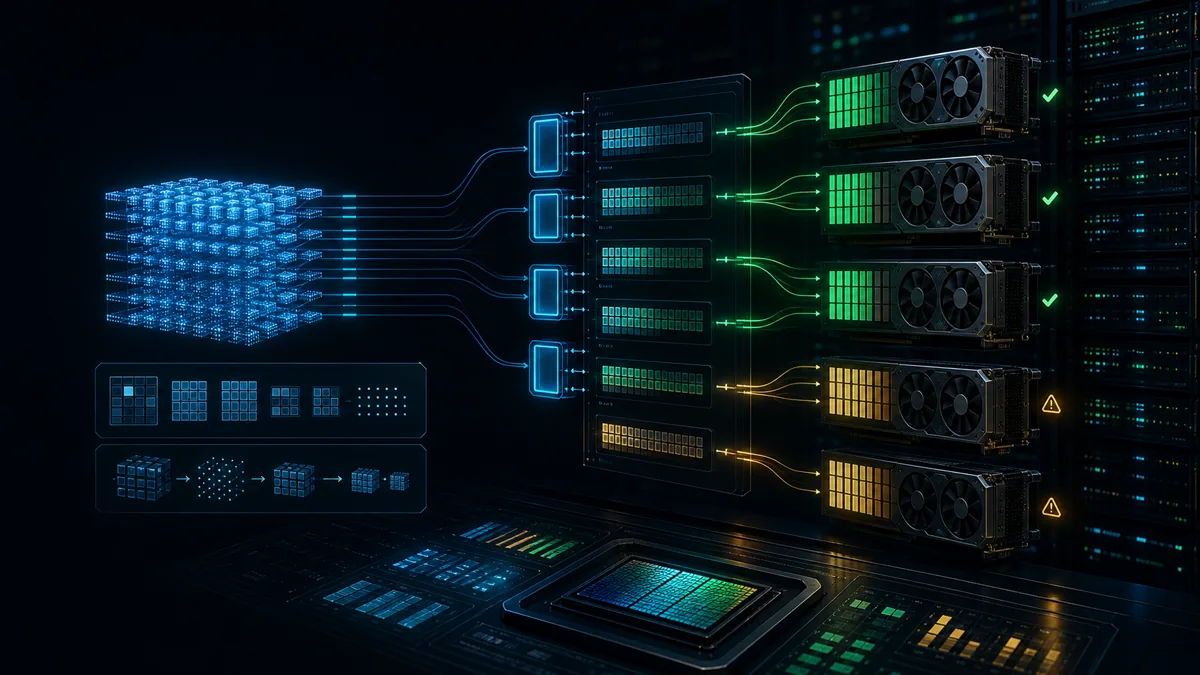
Know which numbers are live, curated, or estimated.
PlanetGPU should not make low-confidence signals look as hard as live prices. The homepage now exposes that distinction up front.
GPU price index
Provider price floors update through the API and are shown with offer counts and freshness.
Specs, agents, regions
Static catalogs carry source links, confidence labels, and verification dates.
Risk and value signals
Power-risk and API-equivalent values are labeled as indicators, not vendor entitlements.
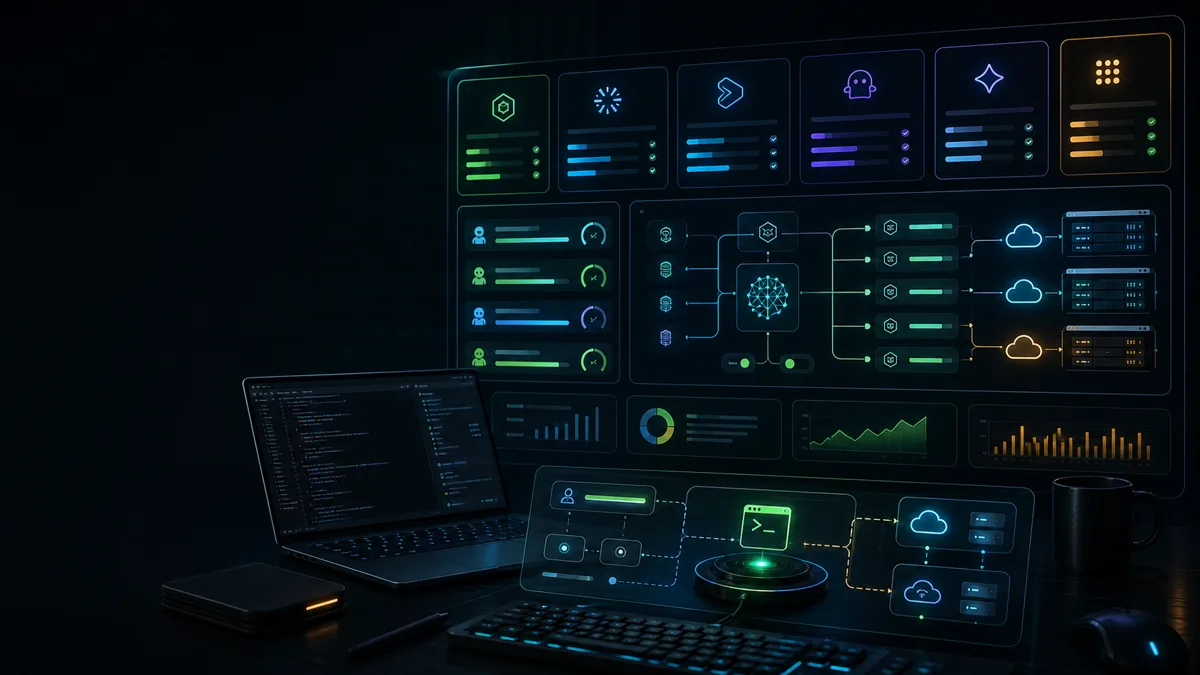
Tools grouped by workflow.
The long tool list is now organized around buying, operating, and researching AI compute.
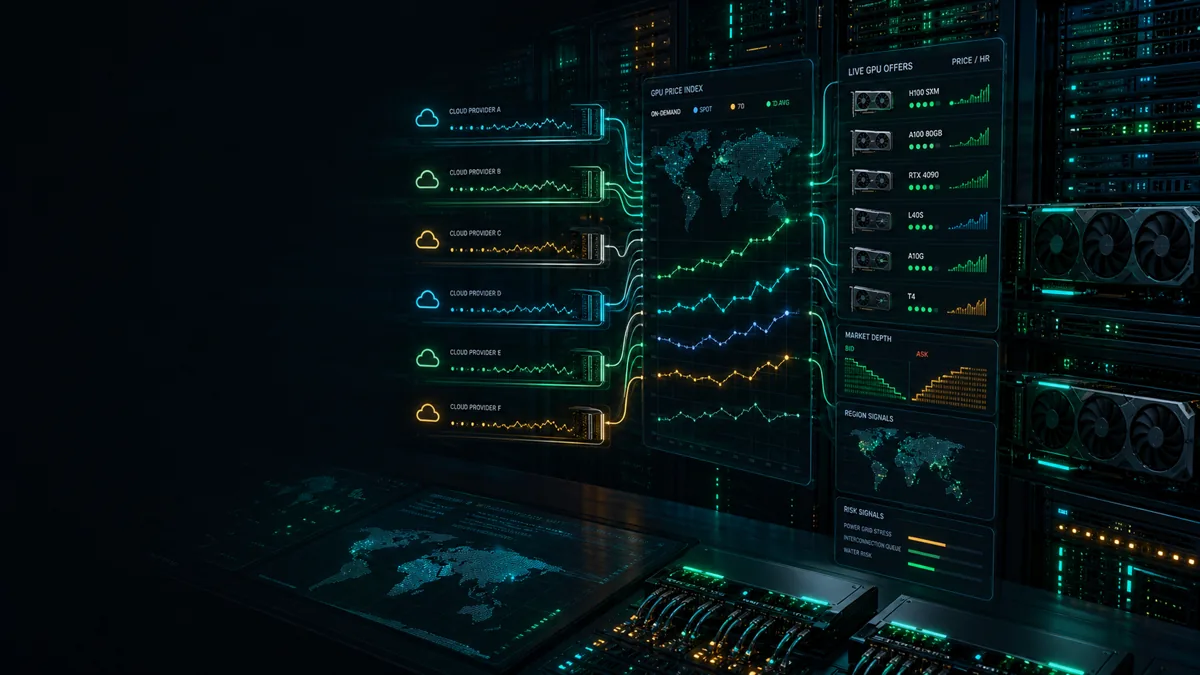
Live GPU prices
Normalize provider floors by GPU type, region, spot status, and on-demand availability.
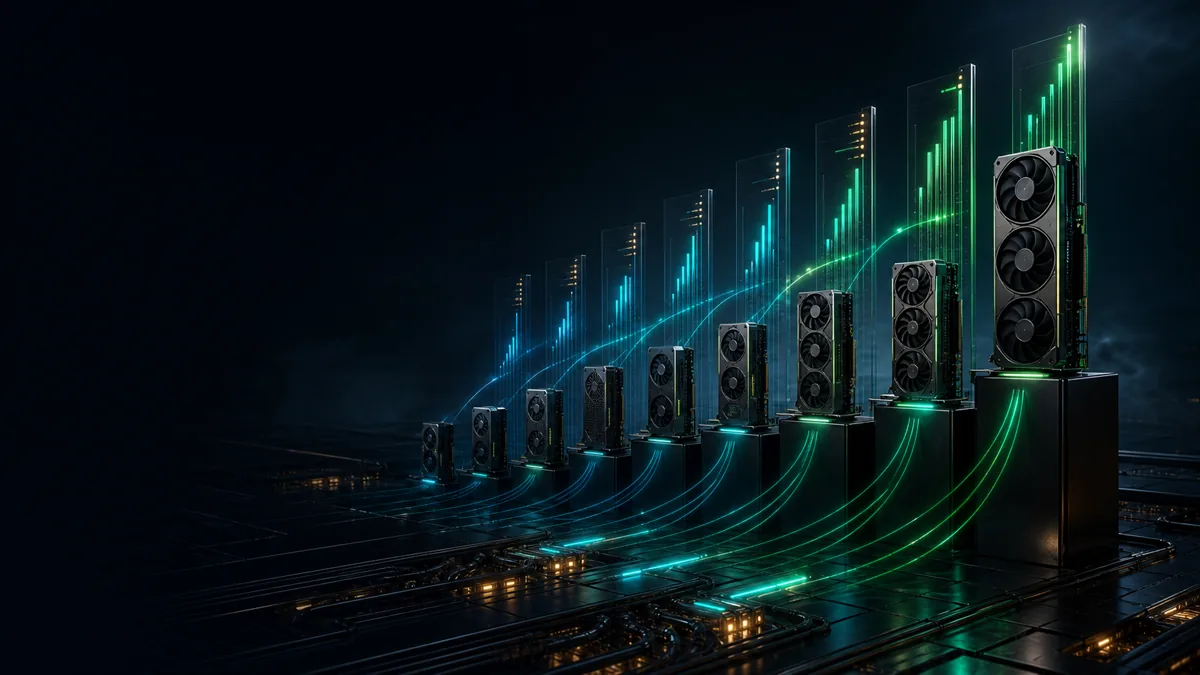
Power rankings
Rank cloud GPUs by FP16 throughput, VRAM, bandwidth, live floor price, and practical value.
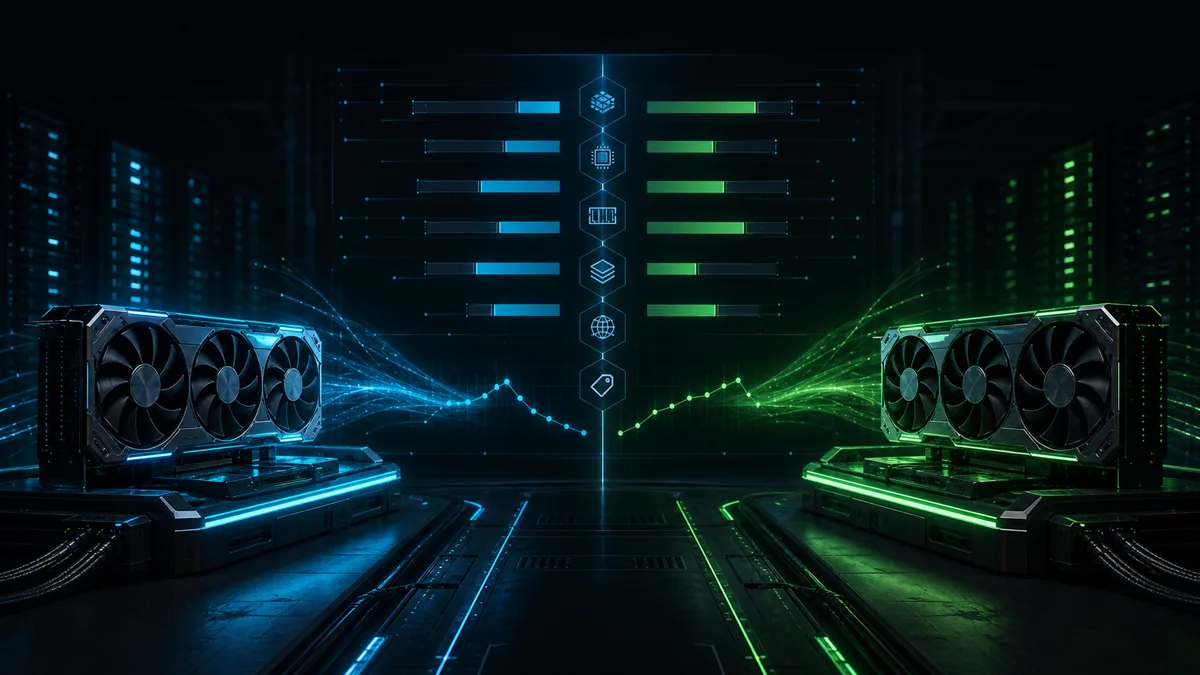
GPU head-to-head
Compare two GPUs across live price floors, provider coverage, VRAM, throughput, and bandwidth.
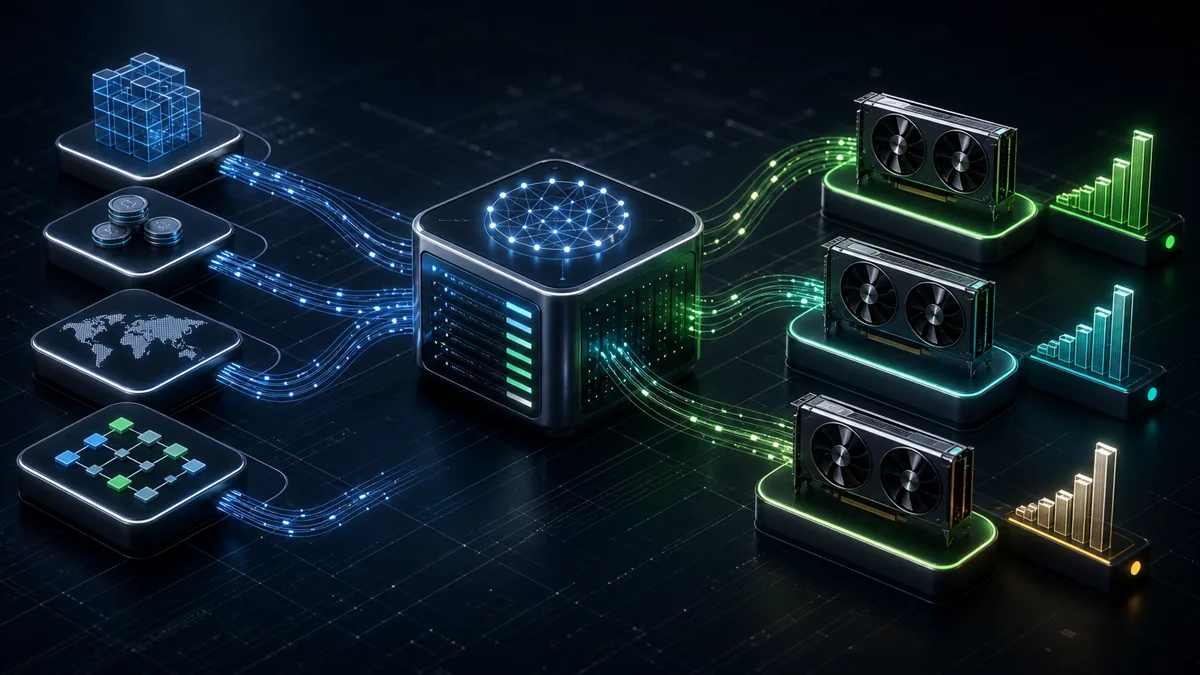
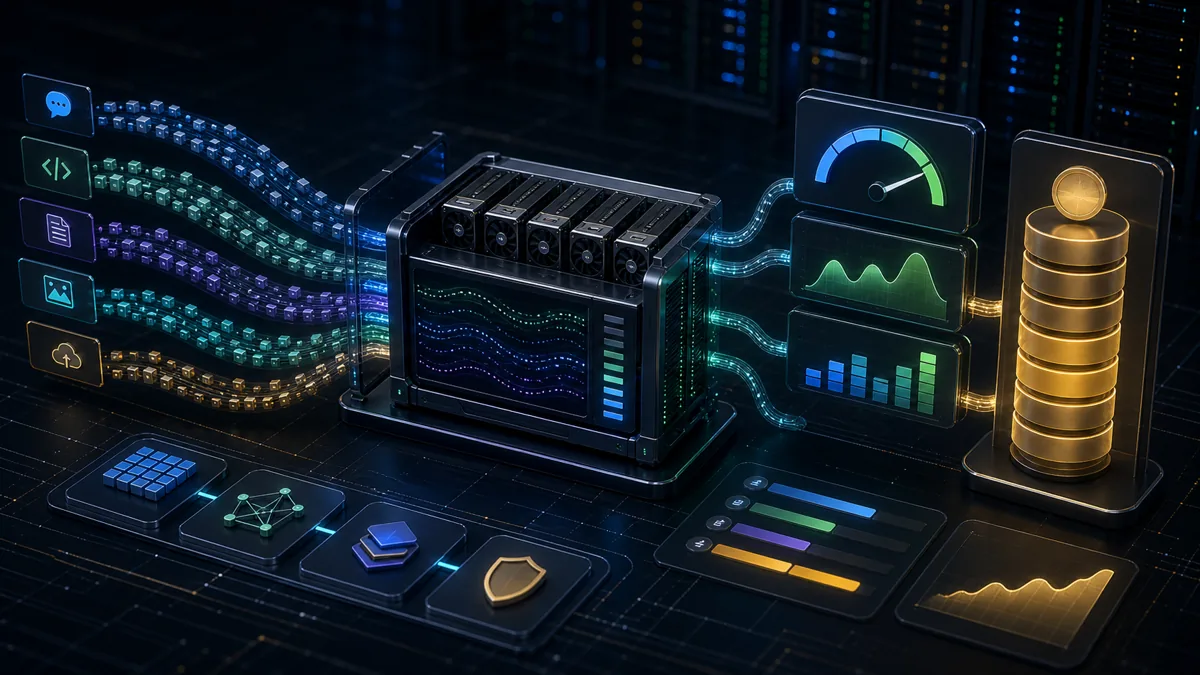

We do not run GPUs. We make the compute market legible.
Prices are aggregated from provider catalogs through gpuhunt. Specs come from a normalized GPU catalog and GPU Ark-backed records. New AI-agent and infrastructure-region catalogs are source-linked and caveated until they earn automation.
What should I rent?
Rank power, price, memory, and provider depth.
Where should it run?
Compare regional provider presence and public power-risk indicators.
What will it cost?
Estimate model fit, serving run-rate, and tool subscription value.